
Itaobuy Spreadsheet Strategy: A Beginner’s System for Cross-Border Sourcing Success
Boost your online business with Itaobuy Spreadsheet, a smart solution for efficient product selection and cross-border e-commerce growth.
6/29/20263 min read
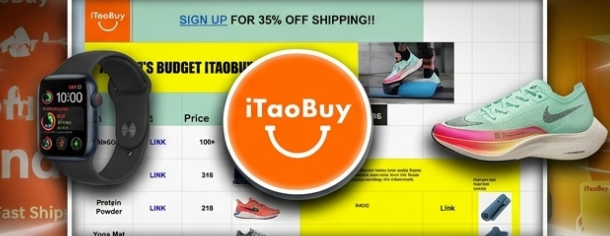

Itaobuy Spreadsheet Strategy: A Beginner’s System for Cross-Border Sourcing Success
In today’s global e-commerce environment, finding profitable products is less about luck and more about systems. The Itaobuy Spreadsheet Strategy is a beginner-friendly cross-border sourcing framework designed to help sellers analyze products, compare suppliers, and make data-driven decisions using structured spreadsheets.
Instead of guessing what might sell, this approach turns product research into a repeatable, scalable workflow based on measurable insights.
What Is the Itaobuy Spreadsheet Strategy?
The Itaobuy Spreadsheet Strategy is a data-based product sourcing system that helps beginners evaluate cross-border products before investing in advertising or inventory.
It is often used in combination with sourcing workflows from platforms like Itaobuy, where sellers can compare supplier pricing, shipping options, and product availability.
The system organizes all key sourcing data into one structured spreadsheet, including:
Product demand trends
Supplier costs and reliability
Shipping and logistics expenses
Market competition levels
Profit margins and ROI
Product lifecycle potential
The goal is to remove guesswork and replace it with structured decision-making.
Why Beginners Need a Spreadsheet-Based System
Many beginners fail in cross-border e-commerce because they rely on intuition or viral trends instead of real data. The Itaobuy Spreadsheet Strategy solves this problem by introducing clarity and consistency.
Key Benefits:
1. Eliminates guesswork
Every product is evaluated using measurable data points.
2. Reduces financial risk
Low-performing products are filtered out early.
3. Improves decision speed
Multiple products can be analyzed in a single dashboard.
4. Enables scalable growth
A repeatable system supports long-term business expansion.
Core Structure of an Itaobuy Spreadsheet
A well-designed spreadsheet should include the following sections:
1. Product Information
Product name
Category or niche
Supplier link (via Itaobuy)
Product image reference
2. Demand Analysis
Search trend score
Social media engagement level
Viral potential rating
Seasonal demand strength
This helps determine whether a product has long-term potential or only short-term hype.
3. Cost Breakdown
Supplier price
Cross-border shipping cost
Customs and handling fees
Total landed cost per unit
Accurate cost tracking is essential for reliable profit forecasting.
4. Profit Calculation
Expected selling price
Net profit per unit
Profit margin percentage
ROI (Return on Investment)
This section determines whether a product is financially viable.
5. Competition Analysis
Market saturation level
Number of competing sellers
Pricing pressure
Product differentiation opportunities
The best opportunities usually exist where demand is strong and competition is moderate.
Step-by-Step Itaobuy Spreadsheet Strategy
Step 1: Collect Product Ideas
Start by gathering potential products from multiple sources:
TikTok trending videos
Amazon Best Sellers
AliExpress hot products
Google Trends insights
Competitor Shopify stores
At this stage, collect as many ideas as possible without filtering.
Step 2: Score Market Demand
Assign each product a score from 1–10 based on:
Growth trajectory
Engagement level on social media
Search volume consistency
Only keep products showing stable or increasing demand.
Step 3: Calculate Profit Potential
Use the formula:
Profit = Selling Price – (Product Cost + Shipping + Fees)
Then classify products:
30%+ margin → High potential winner
15%–30% margin → Medium potential
Below 15% margin → High risk
Step 4: Analyze Competition
Understanding competition helps avoid oversaturated markets:
High competition → difficult entry
Medium competition → ideal opportunity zone
Low competition → uncertain but potentially high reward
The strongest products usually fall into the balanced demand + moderate competition zone.
Step 5: Final Product Selection
Only select products that meet all criteria:
Verified and stable demand
Strong profit margins
Manageable competition
Reliable supplier availability
Clear customer appeal
These become your final “winning products” for testing or scaling.
Advanced Optimization Techniques
Once the basic system is mastered, you can improve it further:
1. Automated Spreadsheet Formulas
Track:
ROI
Profit margins
Break-even pricing
2. Visual Decision System
Green = High potential
Yellow = Needs review
Red = Avoid
3. Supplier Comparison Layer
Compare multiple suppliers to optimize:
Cost
Shipping time
Product quality
4. Product Lifecycle Tracking
Monitor how long products remain profitable to avoid late-stage entry into saturated markets.
Common Beginner Mistakes
Even with a structured system, beginners often make mistakes such as:
Ignoring hidden shipping or customs costs
Choosing overly saturated products
Misreading short-term viral trends
Failing to update spreadsheet data regularly
Overestimating profit margins
Avoiding these errors significantly improves sourcing accuracy.
Final Thoughts
The Itaobuy Spreadsheet Strategy transforms cross-border product sourcing into a structured, repeatable, and data-driven workflow. By combining demand analysis, cost tracking, and competition evaluation, beginners can make smarter decisions and reduce costly mistakes.
Instead of relying on guesswork, sellers build a system that consistently identifies profitable opportunities and supports long-term e-commerce growth in global markets.
litbuy
Services
Support
contact@oopbuyyupoo.com
© 2025. All rights reserved.